






Introduction
Roboquest is a high-speed roguelite FPS that blends lightning-fast movement, randomized upgrades, and intense combat encounters into a highly replayable experience. Players control Guardian robots exploring a post-apocalyptic world filled with hostile machines, hidden upgrades, branching paths, and powerful bosses. Unlike slower tactical shooters, Roboquest rewards aggression, mobility, and rapid decision-making.
Many new players struggle because success in Roboquest is less about accuracy alone and more about momentum, build synergy, and understanding progression systems. Each run teaches mechanics that gradually transform beginners into efficient run-clearers capable of dominating higher difficulty levels.
This guide provides a complete breakdown of Roboquest strategies, from beginner survival tips to advanced build optimization, helping players consistently reach late-game stages and defeat bosses efficiently.
Understanding the Core Gameplay Loop
Roboquest follows a roguelite structure where every run resets your weapons and upgrades but permanently improves your overall progression through unlocks. The gameplay loop revolves around entering zones, clearing enemy rooms, collecting upgrades, and preparing for increasingly difficult encounters.
Every decision during a run matters. Choosing weapons, perks, and routes determines whether your build becomes powerful or falls apart later. Unlike traditional shooters, survival depends on maintaining tempo. Standing still or playing too defensively often leads to failure because enemies overwhelm stationary players quickly.
Key gameplay loop elements include:
- Clearing arenas quickly to maintain rhythm
- Collecting power cells and upgrades
- Choosing branching paths strategically
- Unlocking permanent upgrades between runs
- Learning enemy patterns through repetition
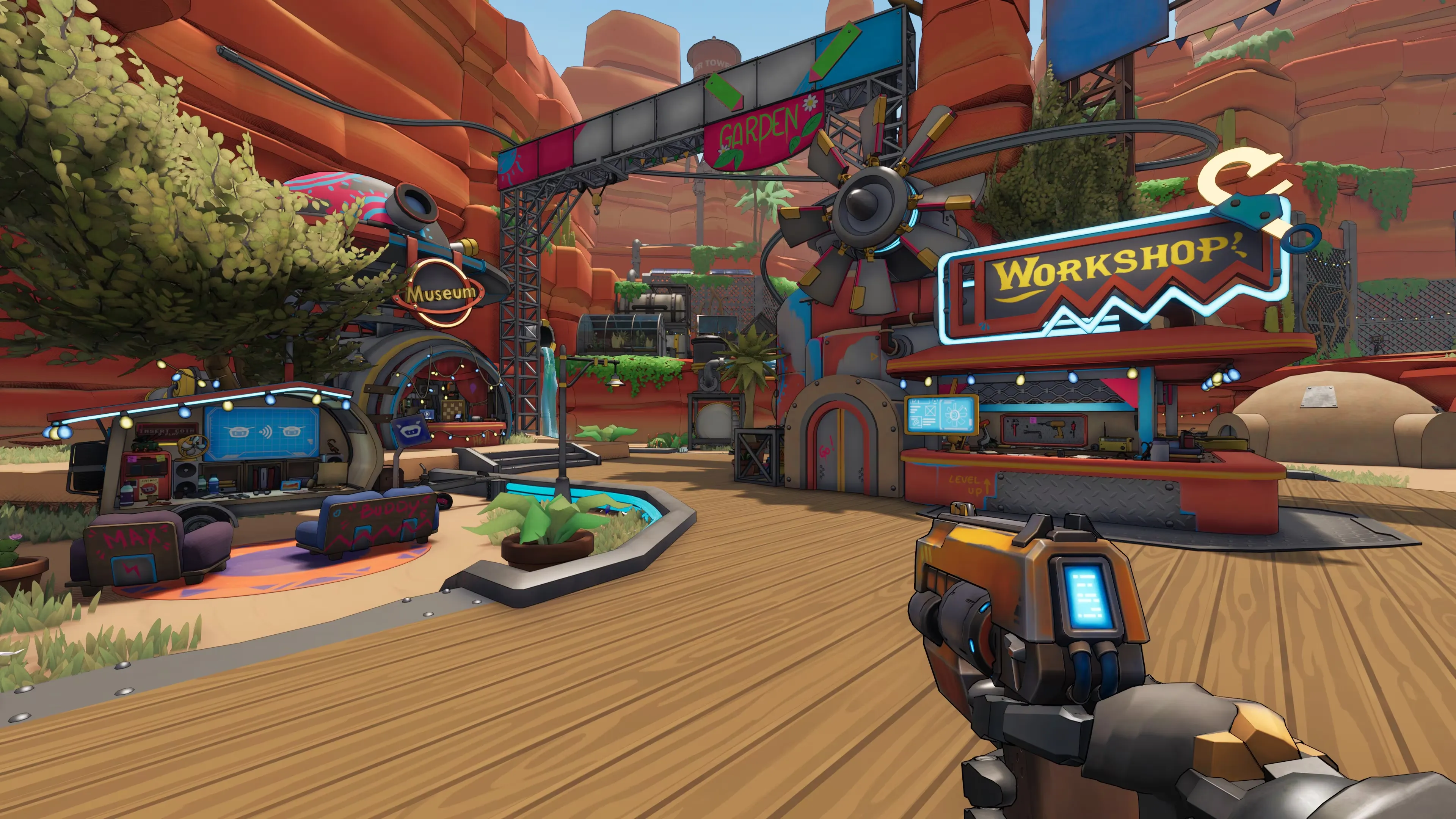
Understanding this loop helps players focus on long-term improvement rather than short-term victories.
Movement Mastery Is Your Greatest Weapon
Movement is the single most important skill in Roboquest. The game is designed around constant motion, combining sprinting, sliding, jumping, and vertical traversal into combat flow. Players who stop moving become easy targets.
Sliding reduces your hitbox and allows rapid repositioning during firefights. Jumping frequently prevents enemies from landing consistent shots, while chaining slides and jumps creates unpredictable movement patterns. Advanced players treat movement as both offense and defense simultaneously.
Movement fundamentals:
- Slide after sprinting to dodge attacks
- Jump frequently to avoid projectile tracking
- Circle enemies instead of backing away
- Use elevation for visibility and escape routes
Mastering mobility dramatically reduces incoming damage and allows aggressive playstyles that generate faster clears.
Choosing the Right Weapons Early
Weapons define the foundation of every run. Early weapon decisions influence perk choices and long-term build direction. Many beginners make the mistake of constantly swapping weapons instead of committing to synergy.
Each weapon category favors different strategies. Rapid-fire guns excel at applying effects quickly, while heavy weapons deliver burst damage but require careful positioning. Testing weapon feel matters more than rarity alone.
Early weapon selection tips:
- Pick weapons matching your mobility style
- Favor consistent damage over slow burst early
- Keep one crowd-control weapon
- Avoid overloading reload-heavy weapons
Strong early weapons create stability, allowing smoother progression into mid-game upgrades.
Understanding Classes and Playstyles
Roboquest offers multiple Guardian classes, each encouraging unique approaches to combat. Choosing the right class for your skill level significantly impacts success.
Some classes reward aggressive close-range combat, while others excel at precision or ability-based playstyles. Beginners benefit from balanced classes that forgive mistakes, whereas experienced players can exploit high-risk, high-reward options.
General playstyle approaches:
- Balanced class: consistent survivability
- Damage-focused class: fast clears but risky
- Ability-focused class: strategic cooldown management
- Mobility-focused class: advanced positioning gameplay
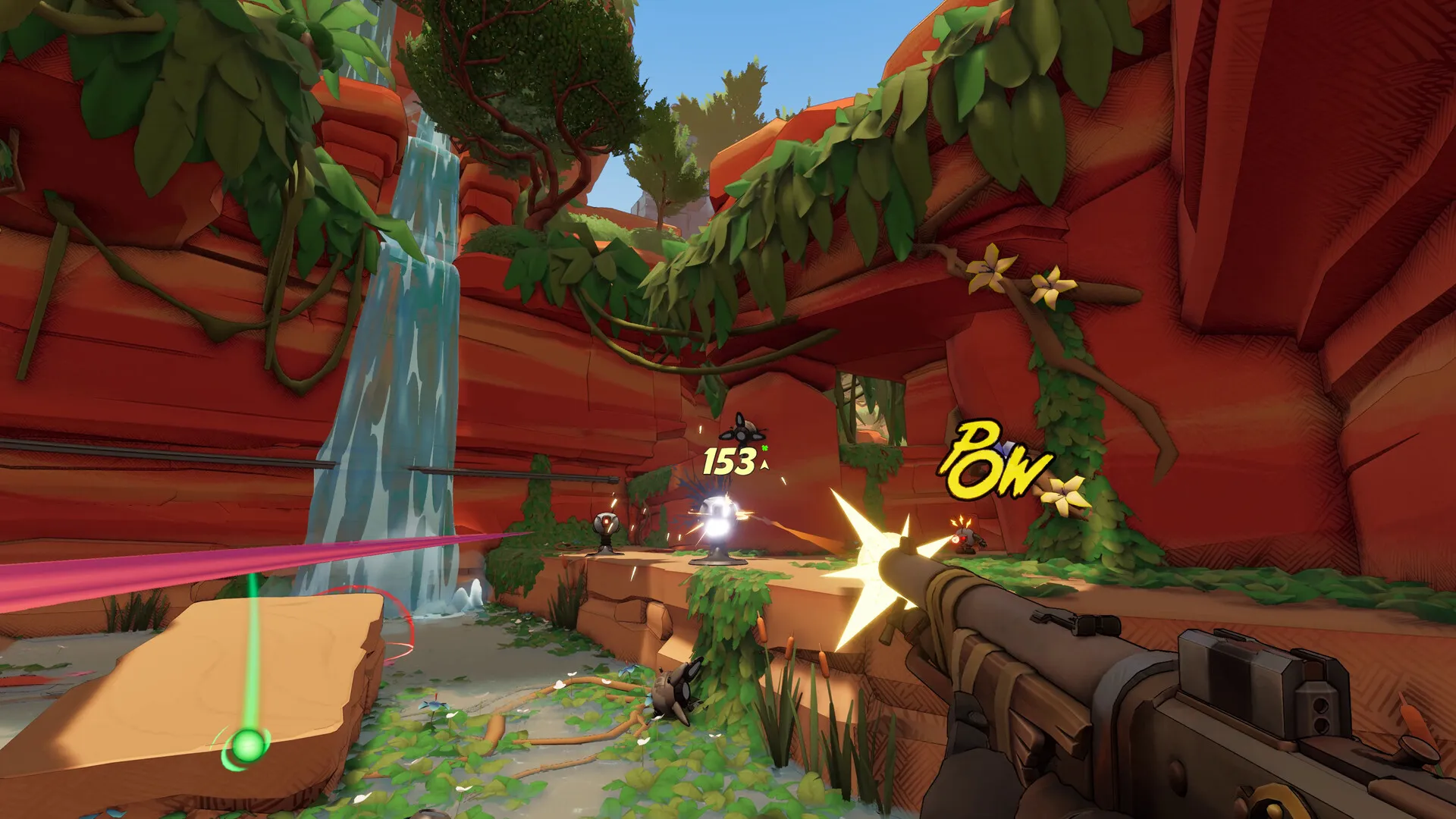
Learning one class deeply before experimenting improves overall skill development.
Upgrade Synergy and Build Planning
Upgrades are where Roboquest transforms from a shooter into a strategic roguelite. Random perks appear during runs, but experienced players build synergy instead of choosing upgrades randomly.
Synergy occurs when perks amplify each other. For example, bonuses to critical hits become powerful when paired with rapid-fire weapons. Similarly, elemental damage upgrades stack effectively when focused on a single damage type.
Build planning tips:
- Commit to one damage focus early
- Avoid spreading upgrades across unrelated stats
- Prioritize survivability if damage feels sufficient
- Select perks enhancing your main weapon
A cohesive build can double or triple effectiveness compared to random selections.
Enemy Behavior and Combat Awareness
Enemies in Roboquest follow recognizable attack patterns. Learning these patterns reduces difficulty dramatically because players begin reacting instinctively rather than emotionally.
Different enemy types demand different responses. Some must be eliminated immediately due to high damage output, while others can be ignored temporarily. Target prioritization separates successful runs from failed ones.
Combat awareness principles:
- Eliminate ranged enemies first
- Keep moving during reloads
- Watch projectile trajectories
- Use environment cover briefly, not permanently
Recognizing threats quickly prevents chaotic encounters from spiraling out of control.
Resource Management During Runs
Health, upgrades, and economy management are critical throughout a run. Spending resources carelessly often leaves players underpowered before boss fights.
Shops provide powerful improvements, but not every item is worth buying. Players should evaluate whether upgrades support their existing build rather than purchasing impulsively.
Resource management rules:
- Save currency for high-impact upgrades
- Heal only when necessary
- Explore rooms fully for hidden rewards
- Avoid unnecessary damage before bosses
Efficient resource usage ensures consistent strength scaling across zones.
Boss Fight Strategies
Boss encounters test everything learned during a run. These fights emphasize pattern recognition, positioning, and patience rather than raw damage output.
Most bosses punish panic movement. Instead, controlled mobility and awareness of attack cycles allow safe damage windows. Learning when not to shoot is often as important as attacking.
Boss survival tips:
- Focus on dodging first, attacking second
- Memorize attack phases
- Maintain distance unless build favors close combat
- Save abilities for vulnerable moments
Repeated exposure turns difficult bosses into predictable encounters.
Meta Progression and Permanent Upgrades
Between runs, players unlock permanent upgrades that gradually make future attempts easier. This meta progression system rewards persistence and experimentation.
Unlocks improve weapon availability, character strength, and run consistency. Even failed runs contribute valuable progress toward long-term mastery.
Meta progression priorities:
- Unlock new weapons early
- Upgrade survivability bonuses first
- Experiment with different classes
- Learn map routes and secrets
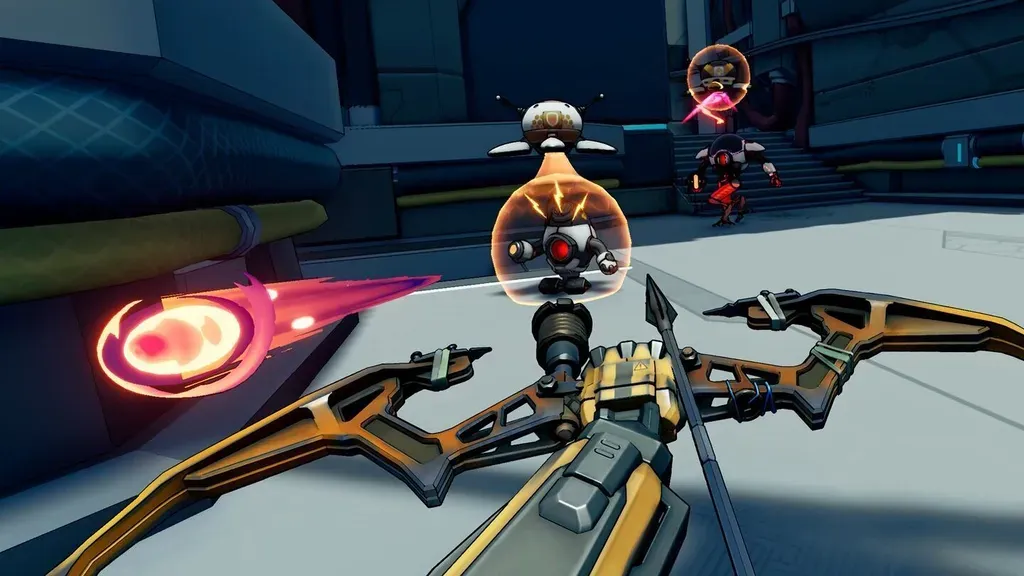
Understanding that progress continues outside successful runs keeps motivation high.
Advanced Tips for High Difficulty Runs
Once players reach higher difficulty levels, small optimizations become essential. Enemy damage increases significantly, meaning mistakes become costly.
Advanced strategies revolve around efficiency. Faster clears reduce enemy pressure, while optimized builds eliminate threats before danger escalates.
High-level techniques:
- Maintain constant offensive pressure
- Memorize elite enemy spawn patterns
- Chain movement abilities continuously
- Optimize builds around one dominant mechanic
At advanced levels, Roboquest feels less random and more skill-driven.
Conclusion
Roboquest rewards players who embrace speed, adaptability, and strategic thinking. Mastery comes from combining movement skill, intelligent build decisions, and deep understanding of enemy behavior. Each run becomes an opportunity to refine tactics and experiment with new synergies, transforming early struggles into consistent victories.
Players who prioritize mobility, commit to cohesive builds, and learn combat patterns will steadily progress through higher difficulties while enjoying one of the most satisfying roguelite FPS experiences available today.
160-Character Summary
Master Roboquest with movement mastery, build synergy, smart upgrades, and boss strategies to dominate this fast-paced roguelite FPS adventure.