.webp) gamescorevibes.com
gamescorevibes.comHow to Play Aniimo: A Complete Beginner’s Guide to Exploration, Creature Collection, and Battles

Aniimo is an adventure game built around exploring a colorful world, discovering extraordinary creatures, and developing a team capable of overcoming different challenges. For players who enjoy creature-collecting games, the experience combines exploration, discovery, combat, and progression. Learning how to approach these systems from the beginning can make the journey more rewarding and help new players avoid common mistakes.
Starting a creature-collection adventure can feel overwhelming because there are many things to learn at once. Players need to understand movement, explore unfamiliar locations, discover creatures, improve their team, and prepare for encounters with opponents. Instead of focusing on every feature immediately, it is more effective to establish a clear progression plan and learn each mechanic as it becomes relevant.
This guide explains how to get started with Aniimo, explore its world, discover and collect creatures, develop an effective team, prepare for battles, manage resources, and progress more efficiently. The recommendations focus on practical gameplay principles for beginners and returning players. Because game features and controls may change between versions, consult the current in-game tutorial and available menus whenever a specific mechanic differs from the instructions below.
How to Start Aniimo and Understand the Main Gameplay
The first step in Aniimo is to become familiar with the game's basic objectives and the systems introduced during the opening section. Follow the initial tutorial carefully instead of skipping through every instruction. Early guidance typically introduces essential controls, interaction methods, exploration mechanics, and the fundamental relationship between the player and the creatures encountered throughout the adventure.
During the opening stages, pay attention to the interface. Identify the health display, available abilities, map or navigation tools, creature information, and any active mission indicators. Understanding these elements makes it easier to respond to new situations without constantly pausing to search through menus. If the game provides markers for objectives, use them to distinguish the main progression path from optional discoveries.
Learn the Core Gameplay Loop
A useful way to understand a creature-collecting adventure is to divide it into four connected activities: exploration, discovery, team development, and combat. Exploration leads you to unfamiliar environments, where you can encounter creatures and discover new opportunities. Collecting and developing those creatures expands your options, while battles provide opportunities to test your strategy and progress through challenges.
These activities support one another. Exploring more thoroughly can reveal creatures or resources that strengthen your team, while improving your team can make difficult encounters easier. Instead of treating every activity as a separate objective, look for ways to combine them. For example, when traveling toward a mission location, investigate nearby areas if doing so does not put your progress at unnecessary risk.
Set Your First Goals
During your first sessions, concentrate on a few manageable goals:
- Complete the introductory tutorial and learn the controls.
- Understand how to navigate the world and follow objectives.
- Discover the basic methods for encountering and collecting creatures.
- Learn how to inspect creature attributes and abilities.
- Practice combat against manageable opponents.
- Familiarize yourself with inventory, upgrades, and progression menus.
Completing these goals establishes a foundation for the rest of the game. You do not need to master every mechanic immediately. Focus on understanding the systems that directly influence exploration and survival before investing significant time in advanced strategies.
How to Explore the World of Aniimo Efficiently
Exploration is an important part of any creature-collecting adventure because new locations can introduce different encounters, resources, and challenges. When entering an unfamiliar area, avoid rushing directly toward the next objective without looking around. Examine the surrounding terrain, identify accessible routes, and notice unusual environmental features that may indicate an interesting discovery.
Follow the main objective when you need direction, but leave room for nearby exploration when it is practical. A short detour may reveal useful resources or creatures that improve your future options. However, exploring every visible path is not always necessary. If an area contains enemies that are clearly beyond your current capabilities, mark it mentally as a location to revisit after strengthening your team.
Use the Environment to Guide Your Route
Pay attention to paths, elevation changes, obstacles, and landmarks. Distinctive structures or terrain features can help you recognize where you have already traveled and identify promising directions. If the game provides a map, check it regularly to understand your position relative to mission objectives and known locations.
Develop a habit of observing the environment while moving. Instead of concentrating exclusively on the destination marker, scan nearby spaces for visible creatures, resource objects, and alternative routes. This approach makes exploration more productive without requiring you to stop at every point of interest.
Balance Exploration with Progression
The best exploration route depends on your current objective. If you need to complete a mission, prioritize reaching its destination while investigating convenient opportunities along the way. If your team needs development, spend more time in areas where encounters are manageable and relevant to your goals.
Keep track of locations that appear too difficult or inaccessible. Returning later with stronger creatures, improved abilities, or a better understanding of the environment can make these areas easier to handle. A gradual approach reduces frustration and helps you make steady progress.
How to Discover and Collect Aniimo Creatures
Discovering creatures is one of the central attractions of a creature-collection game. Each encounter provides an opportunity to learn about the world's inhabitants and potentially expand your available team. When you find an unfamiliar creature, observe its appearance, behavior, and surroundings before deciding how to approach it.
Follow the game's introduction to its creature interaction or collection mechanics. Different games use different systems for recruiting, capturing, bonding with, or otherwise obtaining creatures, so do not assume that every encounter follows the same process. If Aniimo presents a dedicated interaction, targeting method, or collection requirement, practice it with an accessible encounter before attempting more challenging ones.
Prioritize Useful Discoveries
It is tempting to pursue every creature you encounter, but a more focused approach can save time. Consider how a new creature might contribute to your current needs. It may provide a different combat role, offer abilities that complement your existing team, or simply expand your collection for future experimentation.
When comparing creatures, look beyond appearance alone. Review the available information about attributes, abilities, combat roles, and development potential. A creature that initially seems less impressive may become useful because its abilities address a weakness in your current team.
Keep Your Collection Organized
As your collection grows, regularly review the creatures you have discovered. Identify which ones are part of your main team, which might be useful for specific encounters, and which you are still learning about. If the game includes favorites, filters, team presets, or comparison screens, use those tools to make selection easier.
Avoid spending all your available resources on the first creatures you encounter. You will learn more about your preferred strategy as you explore, and keeping some flexibility allows you to adapt when a stronger or more suitable creature becomes available.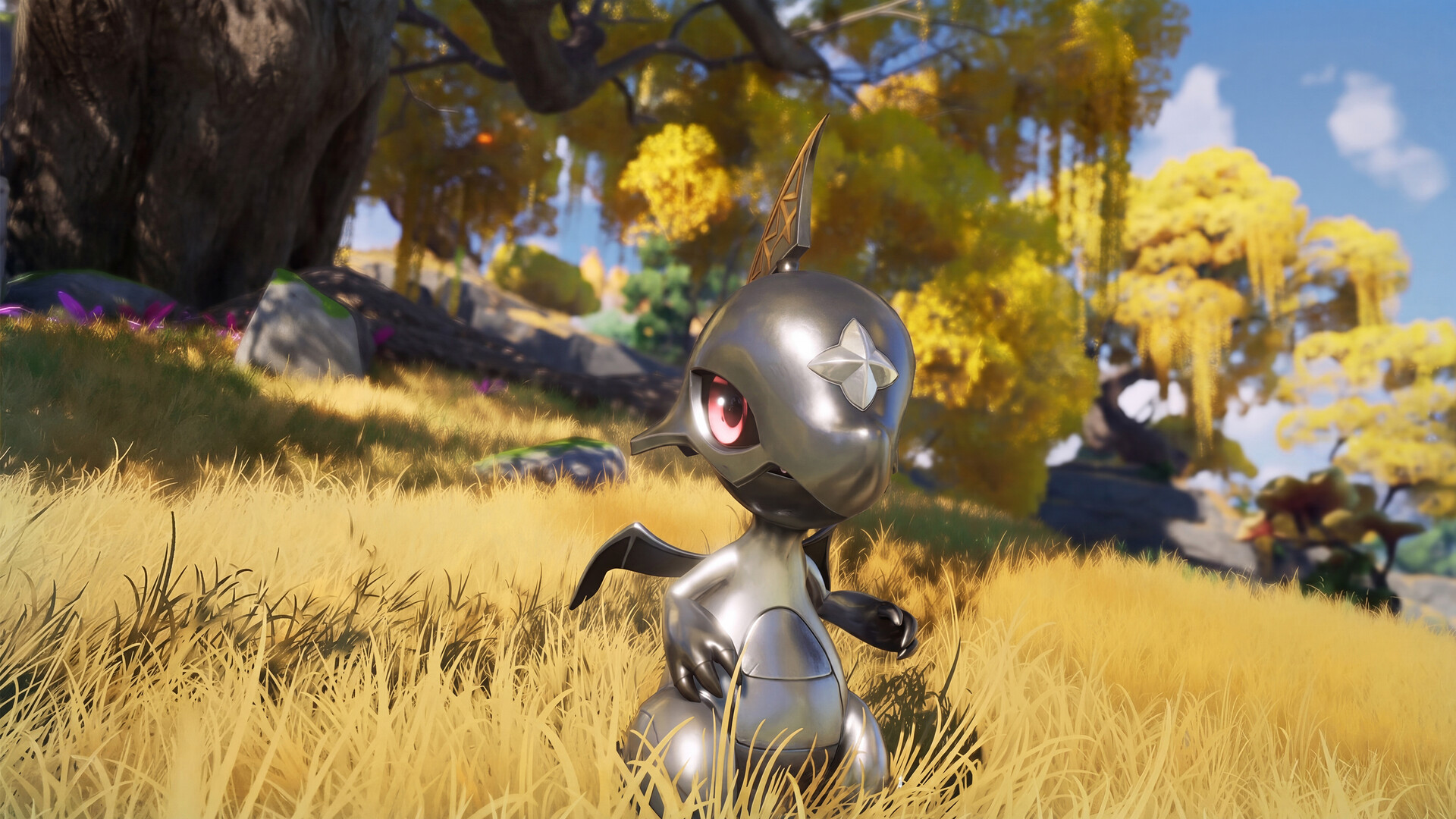
How to Build a Balanced Team in Aniimo
A strong team is not necessarily a collection of creatures with the highest visible attributes. Effective team building depends on how individual abilities work together and whether the group can handle different types of encounters. A team with complementary roles can be more flexible than one built around a single strategy.
Start by reviewing the creatures available to you and identifying their strengths. Some may be better suited to dealing damage, while others may provide defensive support, control, mobility, or other specialized benefits depending on the game's actual mechanics. Build your initial team around the functions that are available rather than trying to force every creature into the same role.
Evaluate Team Strengths and Weaknesses
Before selecting your primary team, consider the following questions:
- Can the team deal with ordinary opponents efficiently?
- Does it have a reliable way to handle difficult enemies?
- Are several creatures dependent on the same ability or strategy?
- Is there a creature that can compensate for an important weakness?
- Can you adjust the lineup when a particular encounter becomes difficult?
These questions help you evaluate the team as a complete unit. If every creature relies on similar attacks, you may struggle when an opponent resists or counters that approach. A varied lineup provides more options and allows you to respond to unfamiliar situations.
Test Different Combinations
Experimentation is an important part of team building. Try different combinations during manageable encounters and observe which abilities work well together. If one creature consistently struggles to contribute, examine whether its role is unsuitable, its development is insufficient, or the current team composition limits its effectiveness.
Do not change the entire lineup after every difficult battle. Identify the specific problem first. Sometimes replacing one creature is enough; in other cases, improving an ability or changing your approach may be more effective than rebuilding the team.
How to Understand Combat and Win More Battles
Combat requires more than selecting an opponent and repeatedly using the same action. Successful battles depend on recognizing threats, choosing appropriate abilities, managing positioning when relevant, and understanding how your creatures perform under pressure. The exact mechanics depend on Aniimo's current combat system, so use the tutorial to learn the available actions and their limitations.
Before engaging an unfamiliar opponent, examine the situation. Consider whether your team is sufficiently developed and whether the encounter is part of a required objective. If the opponent appears significantly stronger, avoid wasting resources on repeated attempts without making adjustments. Completing easier encounters or improving your team first may provide a better route forward.
Choose Abilities with a Purpose
When several abilities are available, consider what each action accomplishes. A direct attack may be useful for dealing consistent damage, while another ability might help control an opponent, protect a teammate, or create an opportunity for a stronger action. Read the ability descriptions carefully and learn when each one is most effective.
Avoid using powerful abilities automatically whenever they become available. If an ability has a cooldown, resource requirement, or limited use, consider whether the current moment justifies spending it. Saving a useful action for a dangerous opponent can sometimes be more valuable than using it against a nearly defeated enemy.
Learn from Difficult Encounters
When a battle goes badly, identify the cause before trying again. Your team may be underdeveloped, your abilities may be poorly suited to the opponent, or your strategy may expose a weakness. Changing several variables at once can make it difficult to understand what actually improved the outcome.
Instead, make one or two targeted adjustments. You might change the team composition, improve a relevant ability, or approach the encounter more cautiously. Afterward, evaluate whether the adjustment helped. This process turns difficult battles into useful learning experiences rather than repeated sources of frustration.
How to Improve and Develop Your Favorite Creatures
As you progress, developing your creatures becomes increasingly important. Stronger opponents may demand better attributes, improved abilities, or more suitable team combinations. Learn which development systems Aniimo currently offers, then focus on the upgrades that provide the greatest practical benefit to your preferred team.
Before investing resources, inspect the creature's available development options. Read descriptions and compare the likely benefits of each upgrade. An improvement that strengthens a creature's main role may be more valuable than a small increase in an attribute that rarely affects your strategy.
Prioritize Your Main Team
Early resources are often limited, so avoid upgrading every creature equally. Choose a small group that you use frequently and invest in them first. A dependable main team makes it easier to complete missions, overcome difficult encounters, and reach areas that may offer better future opportunities.
This does not mean ignoring the rest of your collection. Keep alternative creatures available when they provide a useful role or offer options for specialized challenges. The objective is to concentrate your resources without becoming completely dependent on one narrow strategy.
Review Upgrades Regularly
As you obtain new creatures or unlock additional abilities, revisit earlier development decisions. A newly discovered creature may fill a role more effectively than an older team member, while a new ability may change how a familiar creature performs.
Compare alternatives before committing additional resources. If the game supports resetting, redistributing, or modifying development choices, learn the associated costs and restrictions before using those options. If changes cannot be reversed easily, take extra care when selecting long-term investments.
How to Manage Resources, Inventory, and Rewards
Resource management helps maintain steady progression. Exploration and battles may provide useful materials, currency, items, or other rewards depending on the game's systems. Instead of spending everything immediately, learn which resources are common, which are difficult to obtain, and which are required for important upgrades.
Check your inventory periodically and read item descriptions before using unfamiliar objects. Some items may support creature development, while others may be intended for missions, crafting, healing, or specific interactions. Understanding an item's purpose helps prevent waste and ensures that important supplies remain available when needed.
Spend Resources on Meaningful Improvements
When deciding how to use limited resources, prioritize upgrades that solve an actual problem. If your team struggles to survive encounters, defensive improvements may be more useful than increasing damage alone. If battles take too long, improving a creature's offensive capabilities may help you complete objectives more efficiently.
Avoid purchasing or using items simply because they are available. Consider the expected benefit, the current difficulty of your objectives, and whether the same resources could support a more important improvement later. A little planning can make progression smoother without requiring perfect knowledge of every system.
Collect Rewards Consistently
Review completed missions and available reward screens so that you do not overlook resources already earned. If the game includes daily activities, challenges, or optional objectives, evaluate whether their rewards are relevant to your current goals before investing time in them.
A consistent reward-collection routine can support long-term development. However, avoid turning every optional activity into a mandatory task. Focus first on the content that advances your team and unlocks useful opportunities, then pursue additional rewards when they fit your available time.
How to Complete Missions and Overcome Exploration Challenges
Missions provide structure and direction, especially when the world offers many possible activities. Before starting a mission, read its objective carefully and identify what counts as completion. Some tasks may require reaching a location, interacting with a specific object, encountering a creature, or defeating an opponent. Understanding the requirement prevents unnecessary exploration in the wrong direction.
During a mission, check the objective indicator whenever you become uncertain about your next step. If progress stops, consider whether you have completed every required interaction rather than assuming that defeating an enemy or reaching a destination is sufficient. Some missions involve several stages that must be completed in sequence.
Prepare Before Difficult Objectives
Before attempting a challenging mission, check the condition and development of your team. Make sure you understand the relevant abilities and have access to any necessary resources. If the objective involves unfamiliar opponents, review the creatures you have available and consider which lineup provides the best chance of success.
You can also use nearby encounters as preparation. Practice abilities, learn how your creatures perform, and collect useful resources before committing to a difficult challenge. Preparation is especially valuable when a mission requires several consecutive encounters or when returning to the same location would take considerable time.
Handle Obstacles Methodically
If a route appears blocked or an objective cannot be completed, investigate the surrounding area before abandoning the mission. Look for alternate paths, interaction prompts, map indicators, or additional objectives that may explain the problem. If the game requires a specific ability or progression milestone, consult the relevant menus and tutorial information.
When the obstacle is a difficult enemy, do not assume that repeated attempts are the only solution. Strengthen your team, adjust the lineup, or return after completing other objectives. A temporary detour can be more productive than repeatedly confronting a challenge before you are ready.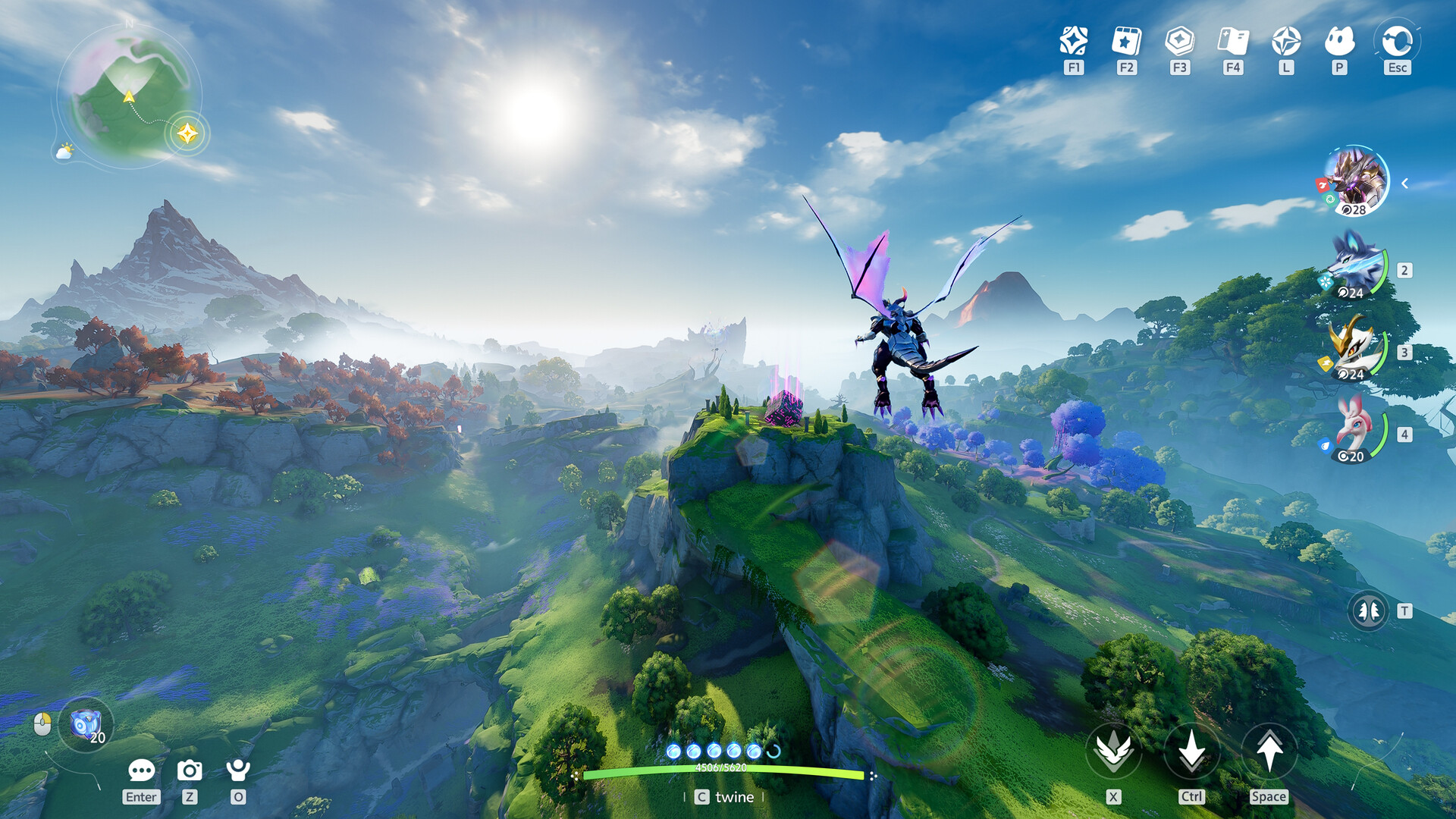
How to Avoid Common Beginner Mistakes in Aniimo
One common mistake is rushing through the tutorial without understanding the mechanics it introduces. This can create confusion later when a mission depends on a control, creature interaction, or combat action that was explained earlier. Take time to learn the basics and revisit the available instructions whenever an unfamiliar system becomes important.
Another mistake is collecting creatures without considering how they contribute to the team. A large collection can be enjoyable, but quantity alone does not guarantee success. Review your available creatures regularly and focus on building combinations that support your current objectives. Keep alternatives for experimentation, but invest your main resources deliberately.
Avoid Unnecessary Resource Spending
New players may spend resources as soon as they receive them because an upgrade appears attractive. However, some improvements provide only a small benefit, while others may be essential for later challenges. Inspect the costs and expected advantages before making a decision, particularly when a resource is difficult to replace.
It is also unhelpful to ignore weaker encounters completely. Manageable battles and optional activities can provide opportunities to practice, learn abilities, and develop your team. Balance these activities with mission progression so that you do not become underprepared or spend excessive time repeating content that no longer helps your goals.
Develop a Repeatable Routine
A simple routine makes it easier to progress without overlooking important tasks:
- Check active objectives and available rewards.
- Inspect the current team and its condition.
- Select an appropriate destination or mission.
- Explore nearby areas when useful.
- Complete encounters using deliberate tactics.
- Collect rewards and review new discoveries.
- Improve the team when an upgrade solves a clear need.
This routine should remain flexible. If a mission reveals a new mechanic or an unfamiliar challenge, pause and learn what is required before continuing. Consistent habits are valuable, but adapting to the situation is just as important.
How to Progress Further and Get More Enjoyment from Aniimo
Once you understand exploration, creature collection, team development, and combat, you can begin setting more specific goals. You might focus on discovering additional creatures, refining your favorite team, completing challenging missions, or learning how different abilities work together. Choosing a clear objective helps organize your time and makes each session feel purposeful.
As you encounter stronger opponents, review your strategy instead of relying exclusively on earlier habits. A team that works well during the opening stages may need adjustments later. Continue experimenting with creature combinations, learning from difficult encounters, and spending resources on improvements that directly support your objectives.
Create a Long-Term Progression Plan
A practical progression plan should balance immediate needs with future opportunities. In the short term, concentrate on completing accessible missions and learning the available systems. In the medium term, improve your main team and explore locations that offer useful encounters or rewards. Over time, develop alternative strategies so that you can respond to different challenges without depending on one fixed lineup.
Keep your goals realistic and review them as new options become available. You do not need to collect every creature or maximize every upgrade before moving forward. Progress is often more satisfying when you focus on a few meaningful achievements and gradually expand your capabilities.
Enjoy Discovery Along the Way
Although efficiency can make gameplay smoother, exploration should remain enjoyable. Take time to observe unfamiliar creatures, investigate interesting locations, and experiment with combinations that appeal to you. Not every activity needs to produce an immediate upgrade to be worthwhile.
The strongest long-term approach combines curiosity with preparation. Explore with a purpose, learn from the encounters you experience, and adjust your team as your understanding grows. By doing so, you can build a more flexible strategy and get more value from the game's interconnected systems.
Learning how to play Aniimo effectively begins with understanding its basic systems and building good habits. Start by completing the tutorial, learning the controls, and exploring the world at a manageable pace. Discover creatures carefully, compare their abilities, and create a balanced team that can handle different encounters. As battles become more demanding, focus on deliberate ability use, targeted improvements, and learning from mistakes.
Resource management and mission preparation also play important roles in long-term progression. Review your inventory, invest in meaningful upgrades, and make sure your team is ready before attempting difficult objectives. When you encounter an obstacle, investigate the available options instead of repeatedly trying the same unsuccessful approach.
Most importantly, treat Aniimo as a process of continuous discovery. Each new creature, location, mission, and encounter can teach you something about the game's systems. By combining exploration, strategic team building, careful resource use, and consistent practice, you can progress with greater confidence and enjoy more of what the adventure has to offer.