.webp) gamescorevibes.com
gamescorevibes.comMinecraft Dungeons II: Build the Hero, Not the Loot
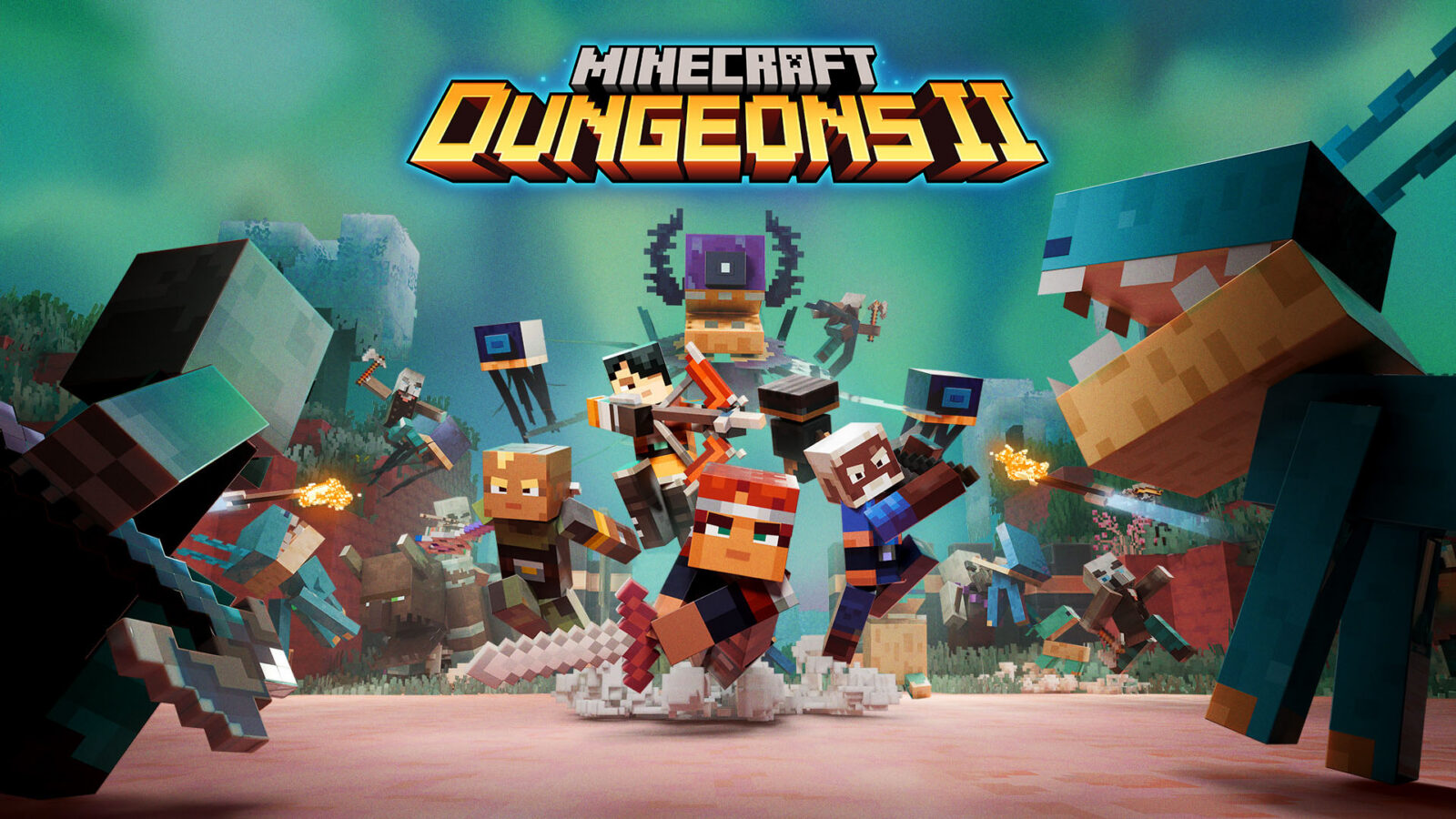
Most dungeon crawlers teach players to chase one thing: better loot. A higher number appears, the old weapon gets replaced, and the cycle begins again.
Minecraft Dungeons II takes that familiar formula and makes it more interesting. There are no traditional classes locking you into a permanent role. Instead, your hero gradually becomes whatever your equipment, enchantments, artifacts, armor, and talismans allow you to create. Xbox Wire describes the sequel as expanding the original loadout with four armor pieces and three talisman slots, giving players considerably more room to shape a playstyle.
The sequel also changes how you explore. Rather than simply selecting isolated missions, you travel through a connected Overworld filled with different biomes, side quests, dungeons, repeatable encounters, and routes into the mysterious Sift dimension.
That means the best way to approach Minecraft Dungeons II is not to ask, “What is the strongest item?” Instead, ask: “What kind of hero am I trying to become?”
This guide explores that idea through practical strategies for building a character, choosing equipment, experimenting with enchantments, exploring efficiently, and turning every dungeon run into progress.
1. Give Your Hero a Job Before Giving Them a Build
The biggest mistake a new player can make is equipping every powerful-looking item without considering how the pieces work together.
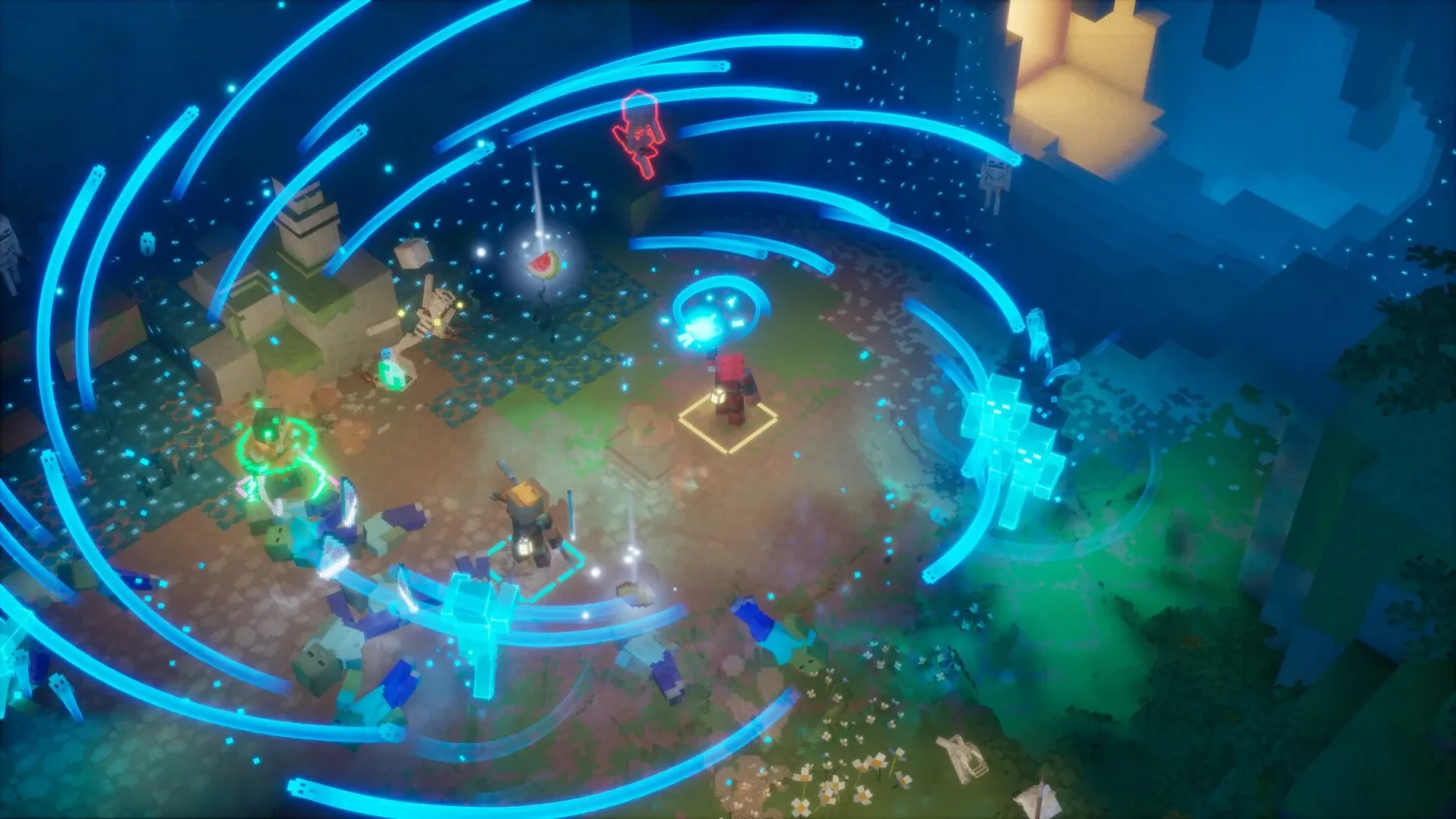
Because Minecraft Dungeons II does not use traditional character classes, your role comes from the gear you curate. A hero can be shaped around close-range damage, ranged attacks, defensive play, active abilities, companions, or combinations of several approaches.
So before worrying about individual item stats, choose a simple job for your character.
Pick a Combat Identity
Start with one question:
How do I want to solve problems?
You might prefer:
- Bruiser: Stay close and overwhelm enemies with melee attacks.
- Archer: Keep distance and control dangerous targets from range.
- Controller: Use artifacts and special effects to manipulate groups.
- Survivor: Prioritize defense, healing, and staying alive.
- Companion-focused hero: Let summoned allies create opportunities while you attack safely.
These are not permanent classes. They are simply ways to organize your equipment choices.
Build Around a Problem
Rather than saying, “I want the strongest weapon,” try saying:
“I need something that helps me survive large groups.”
That single change in mindset makes loot much easier to evaluate.
A slightly weaker weapon that solves your biggest weakness may be more useful than a stronger weapon that does nothing for your build.
2. Stop Replacing Your Favorite Gear Every Five Minutes
Loot-driven games encourage players to constantly throw away old equipment. Minecraft Dungeons II pushes against that idea with systems designed to let you improve and customize gear you already like.
The Blacksmith can upgrade owned equipment to the highest power level currently available to you, while also allowing certain built-in buffs to be rerolled.
That changes how you should think about a good item.
Ask Three Questions Before Salvaging
When something new drops, check:
Does it have a useful effect?
A powerful ability can remain valuable even when its current power level falls behind.
Does it fit my current build?
An item supporting your preferred playstyle may outperform a higher-level item that works against it.
Can the Blacksmith rescue it?
A favorite weapon does not necessarily become obsolete simply because a stronger drop appeared.
Keep a “Maybe” Collection
You do not need to create a perfect final build immediately.
Keep a few interesting pieces that solve different problems:
- One strong melee option
- One useful ranged weapon
- A defensive item
- A damage-focused alternative
- A strange item with unusual potential
That small reserve gives you flexibility when a dungeon suddenly demands a different approach.
3. Learn to Read Gear as a Combination, Not as Separate Items
The expanded equipment system is where Minecraft Dungeons II starts to feel less like a simple loot game and more like a build-crafting game.
Your hero now works with a melee weapon, ranged weapon, artifacts, four individual armor pieces, and talismans that provide additional passive effects.
The important question is no longer:
“Is this item good?”
It becomes:
“What happens when this item meets everything else I am wearing?”
Build a Chain of Synergy
Imagine your equipment creating a chain:
Weapon → Enchantment → Armor → Talisman → Artifact → Combat Result
One item creates an effect.
Another amplifies it.
A third protects you while using it.
Suddenly, six individually average decisions can become one highly effective build.
Avoid the “Everything Is Damage” Trap
It is tempting to fill every slot with offensive bonuses. But your build still needs answers to movement, crowd control, survival, and long encounters.
A good build should not only destroy enemies.
It should also explain what happens when things go wrong.
4. Treat Enchant Books Like Your Personal Spell Library
One of the most interesting additions is the redesigned enchanting system.
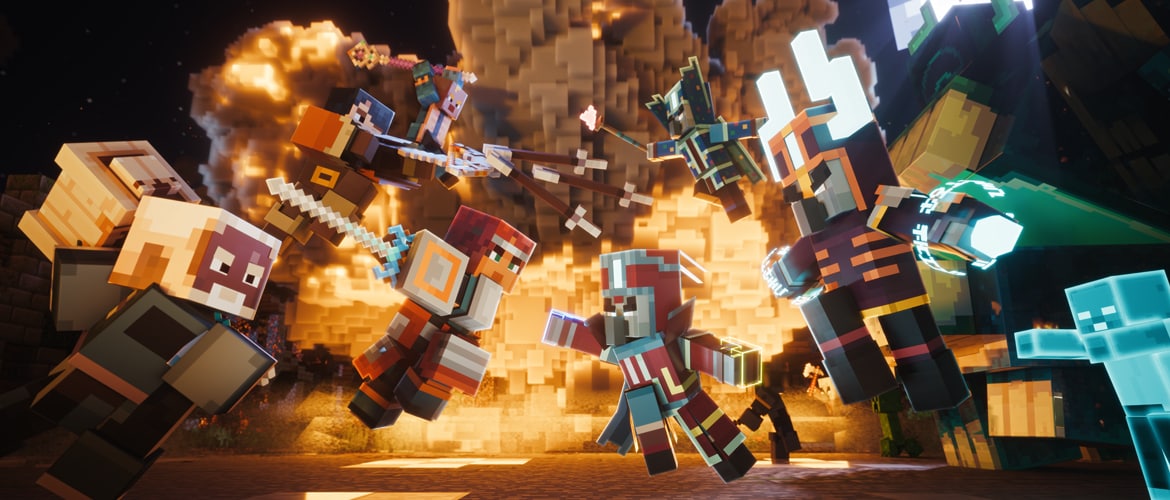
As you explore, you can discover Enchant Books and bring them to the Enchantsmith, where they can be used to add new effects to equipment. The system gives you more direct control over how your items evolve instead of relying entirely on random drops.
That makes exploration valuable even when a dungeon does not immediately give you a better weapon.
Build Your Library Before Chasing Perfection
A useful early habit is to collect different enchantments rather than immediately spending everything on the first item you find.
Xbox Wire highlighted examples such as Healing Smite, Ender Mines, and Somersault, showing how enchantments can alter both survivability and movement.
Look for Interactions
An enchantment becomes particularly interesting when it changes how another mechanic works.
For example:
More mobility → more movement opportunities → more chances to trigger another effect
That is more valuable than simply adding another isolated damage increase.
When you unlock a new enchantment, ask:
“What existing part of my build could this make better?”
That question will lead you toward stronger combinations naturally.
5. Jump Like a Fighter, Not Like a Tourist
The ability to jump may sound like a small mechanical change, but it fundamentally affects movement and combat.
The sequel introduces jumping as part of traversal and combat, giving players more freedom to move through its interconnected environments and approach fights differently.
Do not treat jumping as merely something used to cross gaps.
Use Movement to Create Distance
When enemies begin surrounding you, movement becomes another defensive tool.
You can:
- Escape an encirclement.
- Reach better terrain.
- Reposition before using a ranged attack.
- Cross obstacles during exploration.
- Change the angle of an encounter.
Think About Position Before Damage
A common beginner instinct is:
Enemy appears → attack immediately.
A better habit is:
Enemy appears → find a safe position → choose the attack.
You will often deal more damage over the course of a battle simply by avoiding situations where you are constantly forced to retreat.
6. Stop Rushing Past the Overworld
The Overworld is not just a road connecting one dungeon to the next.
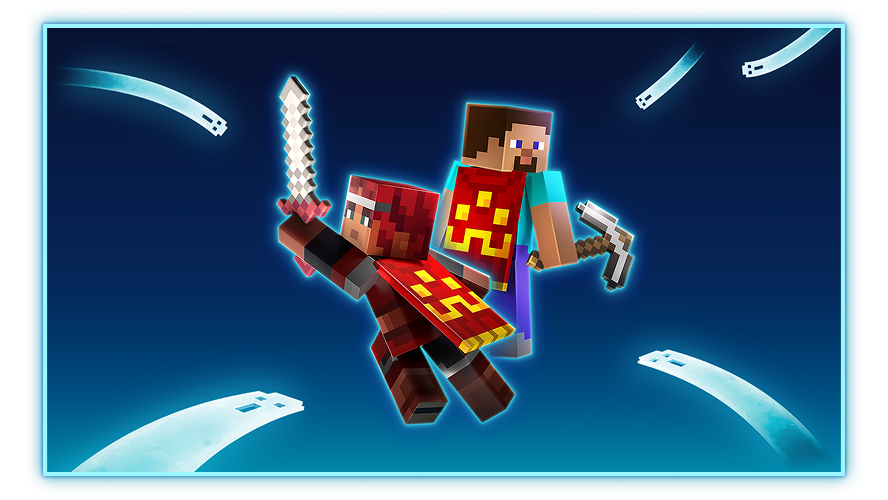
The sequel uses a connected world containing distinct biomes, side quests, dungeons, enemy encounters, and routes between locations. Areas such as the Howling Woods, Frozen Highlands, and Rainy Plains can be explored without the same mission-by-mission structure of the first game.
That makes wandering surprisingly useful.
Follow the “One More Thing” Rule
Every time you are traveling toward your main objective, allow yourself one detour.
Maybe you see:
- A suspicious path.
- A side quest.
- A dungeon entrance.
- A strange encounter.
- A location you have not explored.
Take one.
This keeps exploration from becoming aimless while still allowing discoveries to interrupt your planned route.
Use Navigation Tools
The game includes Minecart Stations and Teleport Statues for faster movement, while the Guidance Trail can point you toward an active quest when you need to return to the main objective.
The trick is not to follow the trail constantly.
Use it when you know where you need to go.
Ignore it when the world gives you a reason to investigate somewhere else.
7. Farm Encounters That Teach You Something
Grinding is much more useful when every repeat attempt has a purpose.
Minecraft Dungeons II includes repeatable encounters, dungeons, and other activities that can provide loot and upgrade materials. Xbox Wire specifically notes that repeatable boss encounters can be used to test combat strategies, experiment with builds, and pursue rare equipment.
That means farming does not have to mean mindlessly defeating the same enemies.
Give Every Run an Experiment
Instead of:
“I need better loot.”
Try:
“I want to know whether this build can survive without changing armor.”
Or:
“I want to test whether my ranged setup handles crowds better.”
Or:
“I want to see whether this artifact combination fixes my biggest weakness.”
Now the run gives you information even when the loot is disappointing.
Repeat Bosses with a Purpose
A boss fight can serve as your personal testing ground.
Try one strategy.
Change one component.
Fight again.
Compare the result.
That is much more efficient than replacing half your inventory after every failed encounter.

8. Build for the Team, Not Four Copies of Yourself
The game supports solo play as well as local and online co-op, with groups of up to four players.
In a team, the strongest group is not necessarily the one with four players using the same damage setup.
A coordinated group can create opportunities that individual players cannot.
Give Everyone a Different Responsibility
A simple team could include:
Frontline: Keeps dangerous enemies occupied.
Damage dealer: Focuses on vulnerable targets.
Ranged player: Removes threats from a distance.
Support: Helps the team survive and creates openings.
Because builds are flexible rather than locked behind permanent classes, players can adapt their loadouts to whatever the group is missing.
Communicate Before the Fight
Before a difficult encounter, decide:
- Who starts the engagement?
- Who handles ranged enemies?
- Who stays ready to revive or support?
- Who focuses on the boss?
A little coordination can be more valuable than another few points of weapon power.
9. Make the Sift Your “Unknown Territory” Test
The Sift is a new dimension filled with unfamiliar threats, mysteries, and new environments. It is one of the major additions introduced by Minecraft Dungeons II.
Instead of treating it as simply another destination, use it as a test of whether your build actually works.
Before Entering, Ask Yourself
Can I survive if enemies surround me?
Can I deal with targets at range?
Do I have a reliable escape option?
Can my build recover during a long fight?
What happens when my main ability is on cooldown?
If you cannot answer those questions, your build may be powerful on paper but fragile in practice.
The Best Build Is the One That Survives Its Worst Moment
Anyone can look strong when everything goes perfectly.
The real test is what happens when:
- Your health gets low.
- Your strongest ability is unavailable.
- Several enemies attack at once.
- You lose your ideal position.
- The boss changes the rhythm of the fight.
Build around those moments and your character will become dramatically more reliable.
10. Stop Hunting for the “Perfect Build”
There is no reason to decide that your final build must be discovered immediately.
One of the sequel's biggest strengths is experimentation. Weapons, armor, artifacts, talismans, and enchantments can work together in many different ways, allowing your hero to change as you discover new equipment and ideas.
So instead of asking:
“What is the best build?”
Ask:
“What is the most interesting build I can make with what I have?”
Create Three Loadouts
A useful long-term system is to maintain three different ideas:
The Safe Build
Designed for difficult areas and unfamiliar enemies.
The Fun Build
Built around an unusual weapon, artifact, or interaction.
The Experiment Build
Used specifically to test a new enchantment or mechanic.
This gives every piece of interesting loot a potential purpose.
Let Your Hero Evolve
Your first build does not need to be your final build.
In fact, it probably shouldn’t be.
The journey from “I found this cool sword” to “I built my entire playstyle around this sword” is part of what makes a loot-driven action RPG satisfying.
Conclusion: The Loot Is Not the Goal—The Build Is
Minecraft Dungeons II gives you a world full of weapons, enemies, dungeons, side quests, enchantments, artifacts, armor, and mysterious places to explore. But the most interesting part is what happens when those pieces begin to interact.
The sequel's connected Overworld encourages detours and discoveries, while repeatable encounters give you room to test ideas. Its expanded gear system lets you shape your own role rather than selecting a permanent class, and its enchantment system gives you greater control over how equipment develops.
So do not measure your progress only by how much stronger your next weapon is.
Measure it by how clearly you understand your hero.
When your equipment starts working together, when every slot has a purpose, and when you can change your strategy because the situation demands it, you are no longer simply collecting loot.
You are building a hero.